Good practices from the United Nations Rome-based Agencies for gender equality incentive and mainstreaming mechanisms
This summary report is the outcome of a virtual knowledge exchange on good practices in corporate gender equality mechanisms and gender mainstreaming programmes, organized in July 2020 by the United Nations Rome-based Agencies – FAO, IFAD and WFP – in the framework of the Joint Programme on Gender Transformative Approaches for Food Security and Nutrition (JP GTA) with the FAO Women’s Committee.
The reports gives a special focus on the Gender Awards created by IFAD in 2013 to showcase, celebrate, reward and increase the adoption of successful ways of promoting gender equality and women’s empowerment in IFAD projects.
- Published in GENDER
Country Gender Assessment of Agriculture and the Rural Sector in Maldives
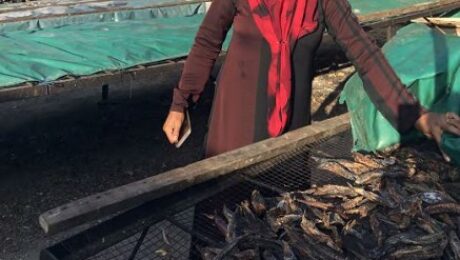
This Maldives Country Gender Assessment of Agriculture and the Rural Sector (CGA-ARS, or CGA) provides evidence of gender inequalities in the agriculture and rural sectors of Maldives, highlighting rural women’s needs, challenges and priorities. It also analyses country-level achievements, and shortfalls in closing existing gaps towards the pursuit of gender equality. The report provides information to the Government of Maldives on the current situation and guidance to decision makers on how rural development and investment initiatives may affect gender roles and relations, positively and/or negatively. It also provides data on facilitating women’s empowerment and their access to resources and opportunities.
Rural women and girls 25 years after Beijing – Critical agents of positive change
Globally, rural and indigenous women fare worse than rural men and urban women and men on almost every indicator for which data are available. Although they share common challenges such as rural location and gender-based discrimination, rural women and girls are not a homogeneous group. The opportunities and constraints they face differ across their lifetimes, contexts and circumstances, and are influenced by location, socio-economic status and social identities associated with attributes such as indigenous origin and ethnicity, age, disability, migrant or refugee status.
The twenty-fifth anniversary of the Beijing Platform for Action, also known as “Beijing + 25”, provides an excellent opportunity for governments, civil society, the United Nations system and all development actors to take stock of progress made towards gender equality and the empowerment of women and girls.
This document highlights key facts as well as some good practices from the members of the IANWGE network in the thematic areas of education; food security and nutrition; health; access to and control over land and other productive resources; leadership, decision-making and public life; social protection and services; care and domestic work; gender-based violence; and resilience in the context of climate change and fragility.
- Published in GENDER
FAO Policy on Gender Equality 2020–2030

Gender equality is essential to achieve FAO’s mandate of a world free from hunger, malnutrition, and poverty. The Organization recognizes that persisting inequalities between women and men are a major obstacle to agriculture and rural development and that eliminating these disparities is essential to building sustainable and inclusive food systems and resilient and peaceful societies.
In alignment with the priorities set by the international agenda, the FAO gender equality policy, first endorsed in 2012, provides the Organization with a corporate framework to orient its technical and normative work towards clear gender equality objectives relevant to its mandate. The Policy recognizes that a gender-responsive organizational environment is necessary to achieve progress towards these objectives. It, therefore, includes a set of minimum standards for gender mainstreaming to ensure that gender dimensions are adequately addressed in all organizational functions, from results-based management to staff learning and evidence generation. Recognizing that all staff has a role to play in advancing gender equality and women’s empowerment, the Policy establishes a shared accountability framework that clearly outlines responsibilities for its implementation across the Organization.
Gender transformative approaches for food security, improved nutrition and sustainable agriculture
The Compendium is a product of the Joint Programme on Gender Transformative Approaches for Food Security and Nutrition implemented by FAO, IFAD and WFP and funded by the European Union. The compendium of 15 good practices of gender transformative approaches (GTAs) includes the individual templates of the 15 good practices, provides a synthesis of the main features of the 15 GTAs presenting the core characteristics of 15 GTAs and describing the implementation arrangements, implementation cycle, the potential results of GTAs and their key success factors and challenges. It also includes ideas as to how GTAs could be taken to scale.
- Published in GENDER
Debt and climate: entangled emergencies derailing women’s rights and gender justice
As a new debt crisis is hitting the global South, aggravated by the economic impact of the COVID-19 pandemic, governments and economies will face growing difficulties and challenges to deal with climate emergencies, adaptation, and mitigation. As we have seen in the past, debt crises tend to have a negative impact on women’s rights and gender equality, mainly through the implementation of austerity measures. Additionally, the climate emergency also has specific negative impacts on women’s rights and gender justice. The article explores the cumulative impacts on women of debt and austerity dynamics on one side, and climate crisis on the other. Also it proposes responses to the economic, social, and environmental crisis we are living, that address both debt and climate risks in a comprehensive, systemic, and feminist approach.
- Published in GENDER
IN BRIEF Making agricultural and climate risk insurance gender inclusive: How to improve access to insurance for rural women
IFAD’s technical assistance programme INSURED (Insurance for rural resilience and economic development) has been building knowledge about how to strengthen women producers’ access to climate risk insurance. Working with partners, INSURED supported research, and fieldwork in Ethiopia including group discussions with smallholders about insurance options. A checklist was drawn up for insurance designers and implementers to help them reach out to women every step of the way.
- Published in GENDER
Connected Women The Mobile Gender Gap Report 2020
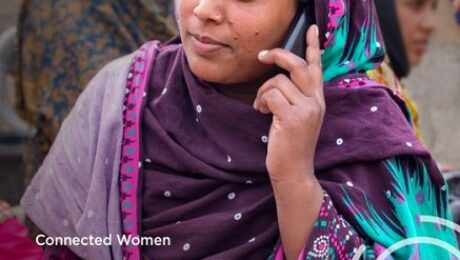
The GSMA Connected Women programme works with mobile operators and their partners to address the barriers to women accessing and using mobile internet and mobile money services. Connected Women aims to reduce the gender gap in mobile internet and mobile money services and unlock significant commercial opportunities for the mobile industry and socio-economic benefits for women.
Addressing Gender Inequalities to Build Resilience
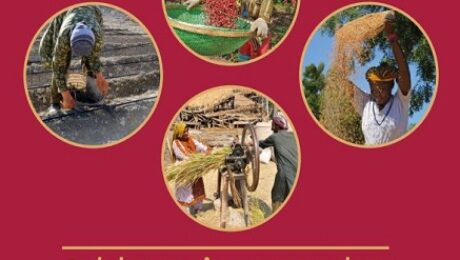
This report documents some good practices and lessons learned from around the world with a specific focus on emergency and humanitarian situations. It highlights a few successful FAO’s interventions on resilience building and gender mainstreaming.
The information in this report can be used as good practices that can help increase resilience of livelihoods in a gender-equitable manner. They can also be used for advocacy, to engage policy makers and practitioners to promote gender equality and women’s empowerment in resilience and humanitarian.
- Published in GENDER
Gender Equality and Social Inclusion
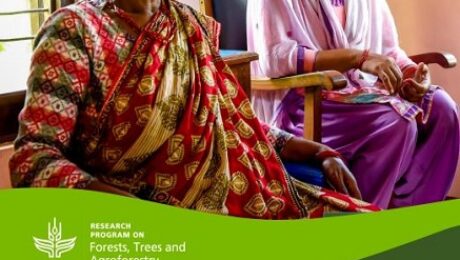
Both women and men depend on forests, agroforestry and trees for their livelihoods, and play a critical role in managing them. However, inequalities persist in roles, rights and responsibilities of women and men, and shape the ways they participate in decision making, benefit from forest and tree resources, and experience changes in forest and tree-based landscapes. Gender biases in the wider policy environment and exclusionary social norms result in a gender gap in access to and control of assets and key resources, including land, labor, credit, information and extension services, with women facing disadvantages in several domains. These inequalities, embedded in formal and informal institutions and structures, hinder the change needed to support the sustainable and equitable development solutions that FTA seeks to deliver.
As FTA’s research agenda has evolved since the program’s inception, so too has the program’s portfolio of gender and social inclusion research. This revised research agenda and action plan draws on a tradition of quality gender work within FTA centers and complements FTA’s original Gender Strategy (2013). It reflects the evolution of the program, including thematic and methodological developments in gender research and praxis, and increases the focus on the nexus of gender and generation (including youth issues), and efforts to make FTA’s research increasingly transformative.