
Climate Change and Agricultural Extension and Advisory Services
Rising temperatures, longer droughts, more severe storms, warming oceans, and recurring floods are already threatening global agriculture and food security. Most smallholder farmers in middle- and lowincome countries have limited abilities to respond and adapt to these climate risks. While highly vulnerable to climate change, agriculture is also a major source of greenhouse gas (GHG) emissions. To strengthen the resilience of agriculture to changing climate, a two-pronged approach that supports adaptation – adjusting to actual or expected future climate change – and promotes mitigation – reducing greenhouse gases or enhancing accumulation and storage of GHG – is needed. Promoting these strategies at scale involves changing the behavior, strategies, and agricultural practices of millions of agricultural producers.
This brief discusses policy-level changes to enhance and strengthen the role and functioning of extension and advisory services (EAS) in addressing climate change adaptation and mitigation.
- Published in CLIMATE CHANGE
Upscaling Climate Smart Agriculture: Lessons for Extension and Advisory Services
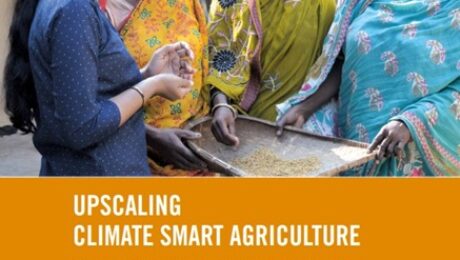
Upscaling Climate Smart Agriculture (CSA) entails changing the behavior, strategies and agricultural practices of millions of agricultural producers. Extension and Advisory Services (EAS) can play a very important role in upscaling CSA, but they need to be better organised to do so. This paper explores how EAS should be organized to support the upscaling of CSA by drawing lessons for EAS from four successful cases namely: natural resource management, crop management, varietal improvement and weather insurance. It used the Innovation Management Framework which identifies three elements that are critical for innovation: functions, actions and tools. To contribute fully to upscaling CSA, the paper argues that EAS providers need to broaden their mandate, partner with other relevant actors in the Agricultural Innovation Systems (AIS), deepen their level of engagement with the research, prepare for a long-term effort and seek to influence the enabling environment through policy advocacy
- Published in CLIMATE CHANGE
WOMEN AT THE HELM: Navigating the Digital Landscape of Agriculture

The study identified two types of enterprises led by women in the digital ecosystem: digitech enterprises, often founded by women with a background in technology, and digitally enabled enterprises, leveraging various digital technologies to promote their businesses. The majority of women entrepreneurs operate digitally enabled enterprises, reflecting the tech-driven nature of modern agribusiness.
This compilation of interviews illustrates how digital innovations support women agripreneurs in India, showcasing their entrepreneurial journeys, aspirations, challenges, and strategies to overcome these challenges through digital interventions and other forms of support. It is intended to benefit those supporting women agripreneurs, particularly within India’s agribusiness incubation centres, offering valuable insights and lessons for leveraging digital innovations to enhance enterprise performance. We sincerely believe that each of these life stories will also inspire several budding women agripreneurs and help them assess their digital capacity gaps and take steps to address these.
- Published in POLICY
GFRAS Policy Compendium
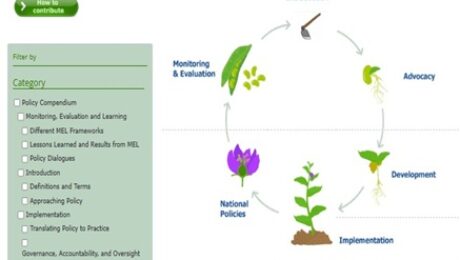
The Policy Compendium is a tool that contributes to filling the gap between the rural advisory services (RAS) policy environment and RAS efforts in the field. It helps direct decisions and facilitate successful policy processes and outcomes in extension and advisory services by making knowledge accessible, fostering synergies and promoting policy processes to improve RAS and rural development.
- Published in POLICY
Agricultural Extension and Advisory Services: Serving Farming Community by Agripreneurship Amid COVID-19
The COVID-19 outbreak has generated extreme vulnerability in the agriculture sector by creating a
future threat to food security. The Agricultural Extension and Advisory Service (EAS) systems have
been playing a crucial role at the frontline of the response to the COVID-19 pandemic in rural areas.
This is not the first time that EAS has been called to intervene in an emerging catastrophe. As an
institution with trained technical staff, the extension has supported efforts and educated
communities during natural disasters. Agripreneurs trained under the AC & ABC scheme have
changed their way of operating in order to adapt to the government regulations. Efforts by MANAGE
and partners have resulted in the training of 72,806 agri-graduates and the establishment of 30,583
(42%) active agriventures across the world as of 2 December 2020. Although the pandemic has
affected the agripreneurs’ business in terms of getting recommended inputs, reduced sale of inputs
and monthly turnover, their extension services have remained significant.
- Published in AGRIPRENEURSHIP
FAO Approaches to Capacity Development in Programming: Processes and Tools
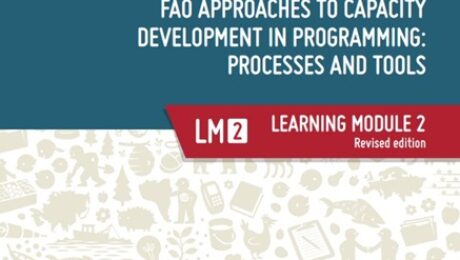
This FAO learning module is part of a series designed to strengthen Capacity Development (CD) in agricultural and development programming. It provides practical guidance, processes, and tools to help practitioners incorporate effective capacity-focused strategies into projects and programmes. The content supports FAO staff, partners, and stakeholders in assessing existing capacities, identifying gaps, setting clear objectives, and designing interventions that enhance sustainable capacities at the individual, organizational, and systemic levels. The module emphasizes engagement with national and local actors, context analysis, participatory design, and monitoring of capacity outcomes — all aimed at improving long-term development results.
- Published in CAPACITY DEVELOPMENT
Assessing Capacity Needs Of Extension and Advisory Services a Guide for Facilitators
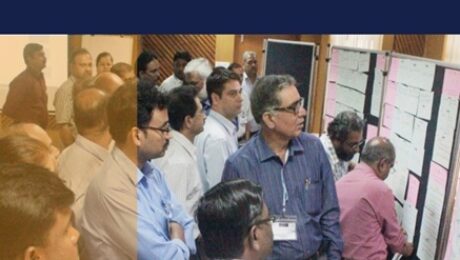
The Global Forum for Rural Advisory Services (GFRAS) has articulated a new vision for Extension and Advisory Services (EAS) within the Agricultural Innovation Systems (AIS). This vision, articulated in its position paper, called The “New Extensionist”, argues for an expanded role for EAS (Box 1) within AIS and development of new capacities at different levels. The motive behind the development of The “New Extensionist” comes from the realisation that the existing EAS needs new capacities to respond effectively to the emerging challenges in agricultural development (declining water availability, increasing soil degradation, and changing and uncertain climate and markets). In the past few years, EAS’ capacities to perform their traditional roles, such as training and communication of technical information, have eroded. Meanwhile, the extension landscape has become increasingly pluralistic with greater participation of the private sector.
- Published in CAPACITY DEVELOPMENT
What Every Extension Worker Should Know – Core Competency Handbook
This core competency handbook is timely in the current context as it could elucidate multiple roles of extension in agriculture and rural development. Demands of several stakeholders on extension are increasing and so is the demand for enhanced capacities of extension professionals. Suvedi and Kaplowitz, the authors of this handbook, have identified core skills necessary for agriculture extension field level professionals to improve their capacity to address the emerging problems of the farming communities.
The book has nine chapters. The first chapter contains a brief history of extension services. The narration includes the evolution in extension approaches from the TOT of yesteryears to the present day demand-driven participatory and pluralistic extension. There must be a change in the mindset of the extension professionals to focus not only on technology transfer but also to deal with several challenges the farmers are encountering in their endeavour to increase the agricultural production and income from farming.
- Published in CONCEPTS AND PRACTICES
Concepts and practices in agricultural extension in developing countries: A source book
The first chapter outlines the emerging challenges faced by agricultural R&D sectors and how paradigms are evolving in response to these changes and challenges. The second chapter traces the evolution of agricultural extension thinking and practice. It highlights some generic problems faced at various stages of evolution and approaches to address them. It highlights the factors identified in literature as contributing to successful knowledge dissemination processes and creating higher access to clients to the services. While reflecting on the challenges and opportunities, the chapter also explores the possible future of extension services in developing countries. The third chapter gives an account of the various extension models, approaches and methods that have been tried out in developing countries and the experiences. The chapter concludes with the transition being made to agricultural innovation systems from Research & Extension systems and highlights the role of extension services in this context. Chapter four highlights the importance of farmer groups in providing effective extension services and promoting innovation. It explains in detail the processes, approaches and methods involved in group formation and development, management, performance assessment and, monitoring and evaluation. Chapter five lists and describes in detail the various tools and methods used in participatory research and development processes. Chapter six focuses on the very important issues of Monitoring and Evaluation as systems for learning and for facilitating reflective action cycles. The importance of participatory approaches in M&E, process monitoring and outcome mapping are highlighted. This book can be used by students and practitioners of extension, researchers and decision-makers. This is a collation of knowledge regarding the practice of extension and is not intended to be used as a recipe or blue print. Based on the context and the requirement, the approaches and tools should be selected, adapted and used. There is a built-in flexibility that would allow the user to employ his/her experience, creativity and imagination in adapting and using the approaches and tools described in this source book.
- Published in CONCEPTS AND PRACTICES
What Works in Rural Advisory Services ? Global Good Practice Notes

GFRAS used these definitions and combined them with the concept of ‘best fit’ to define good practices used in RAS as techniques or approaches that fit local sociocultural, ecological, economic, and political conditions and that embrace pluralism (that is, the provision of advisory services by different types of organisations); increase accountability to rural clients; are inclusive (engage marginalised groups such as women, youth, and the poor); develop human resource capacity; and are sustainable. Good practices allow RAS programmes to be more effective and efficient, and to meet programme goals. The techniques or approaches may concern advisory methods, structures, or governance.
- Published in CONCEPTS AND PRACTICES